
Specialists in centrifugal casting of stainless steel, heat-resistant steel and special alloy tubes for mechanical use, with full quality and service guarantee from Etxarri-Aranatz, Navarre.
“Quality is not in the things people make, but the people that make things.”
INOX NAPARRA, S.A., founded in April 2000, faces the present with quality, service and human capital as its calling card and core driver for future development and growth.
Starting from centrifugally cast tubes, we manufacture industrial valve components: balls, rings, spools and other parts of revolution.
Casting is done by spinning the mould around a horizontal or vertical axis: centrifugal force forces the molten metal to fill every cavity, forming parts of revolution without the need for cores.
Stainless, heat-resistant, alloy and special steels, adapted to every sector and every drawing.
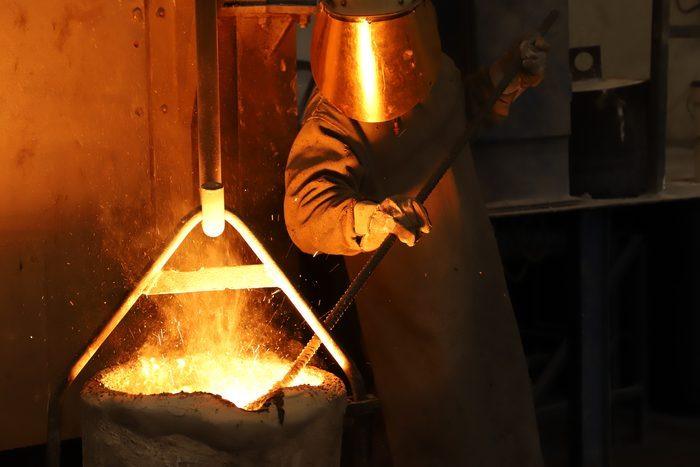
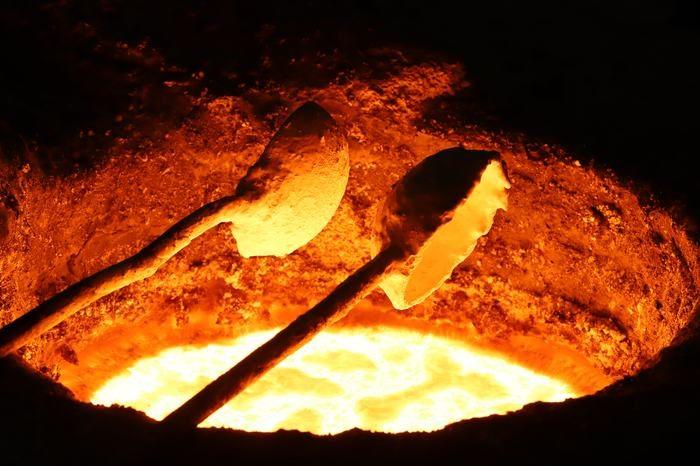
The pour, live: from the induction furnace to the ladle and from there to the centrifugal mould.
We cover stainless, heat-resistant, duplex, martensitic and special materials, each with its own specific composition and controls.
Control: spectrometer, dye penetrant, hardness tester, pressure test. 3.1 certificate on the final product.
See all quality grades ↓Centrifugally cast tubes, rings, flanges, balls for valves and rollers, ready for their target sector.
Made to the size you need, across a wide range of diameters and lengths. Advantages of our products:
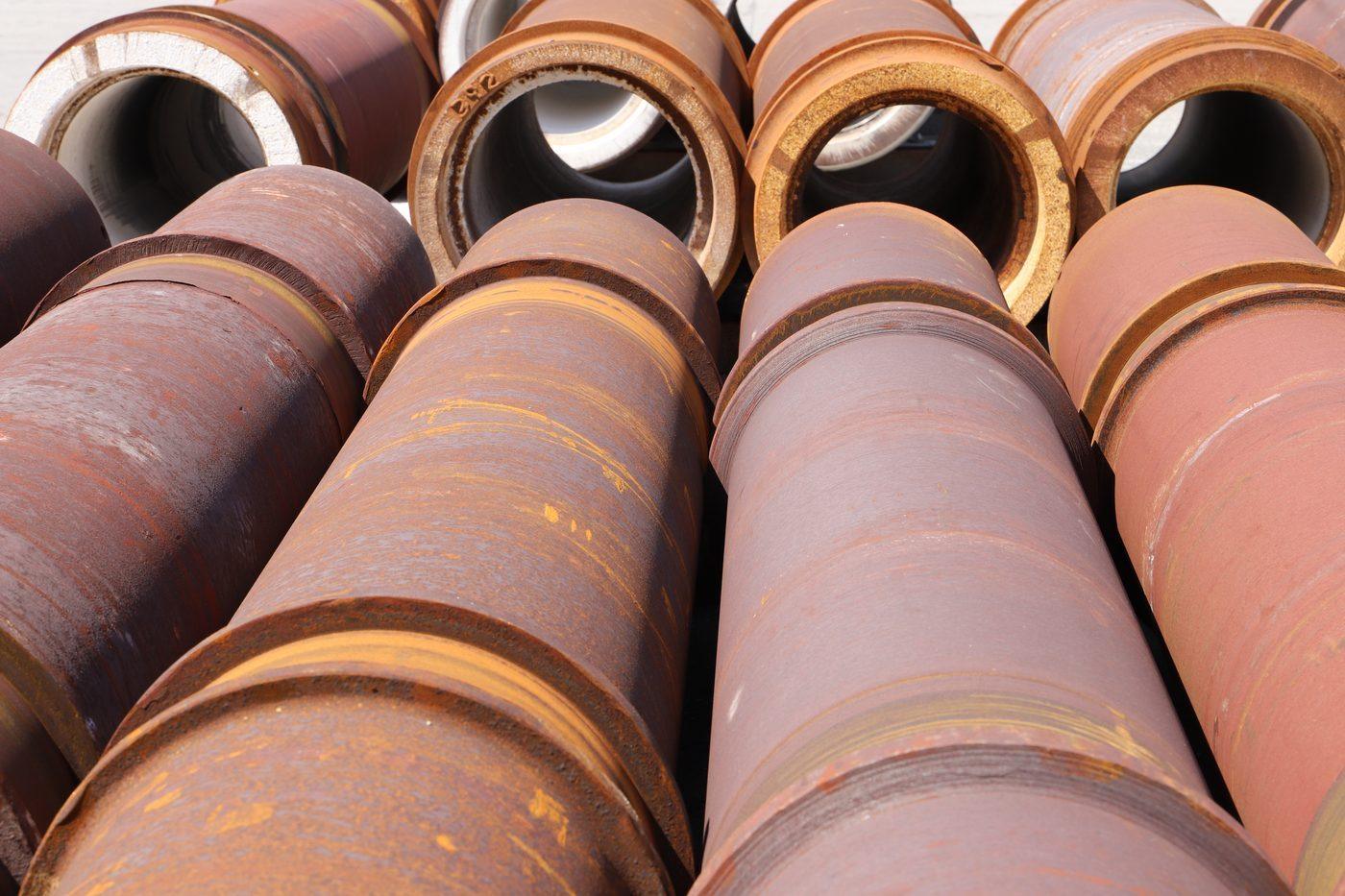
As-cast, shot-blasted, pre-machined or finished to drawing, according to each customer's needs.
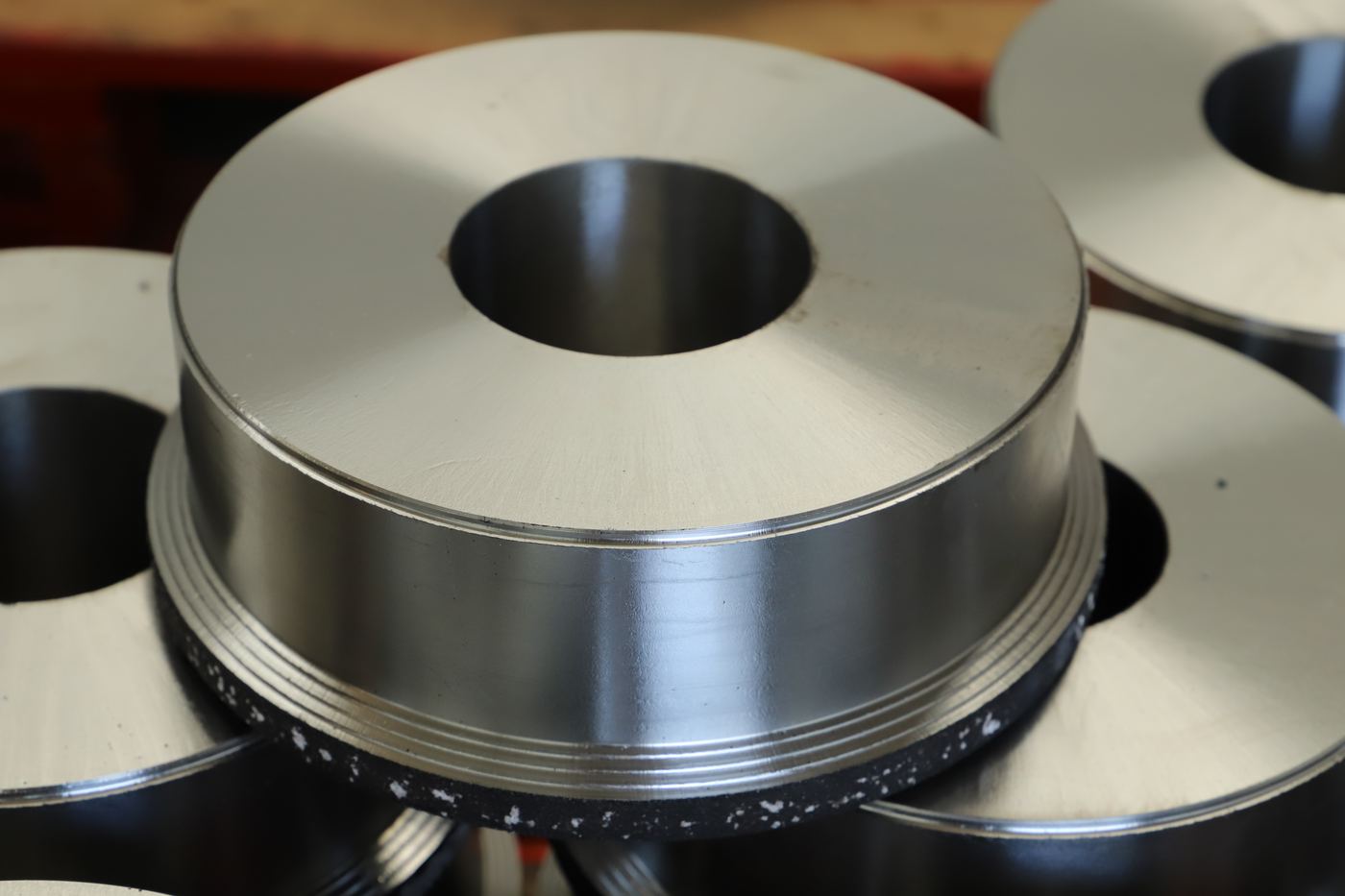
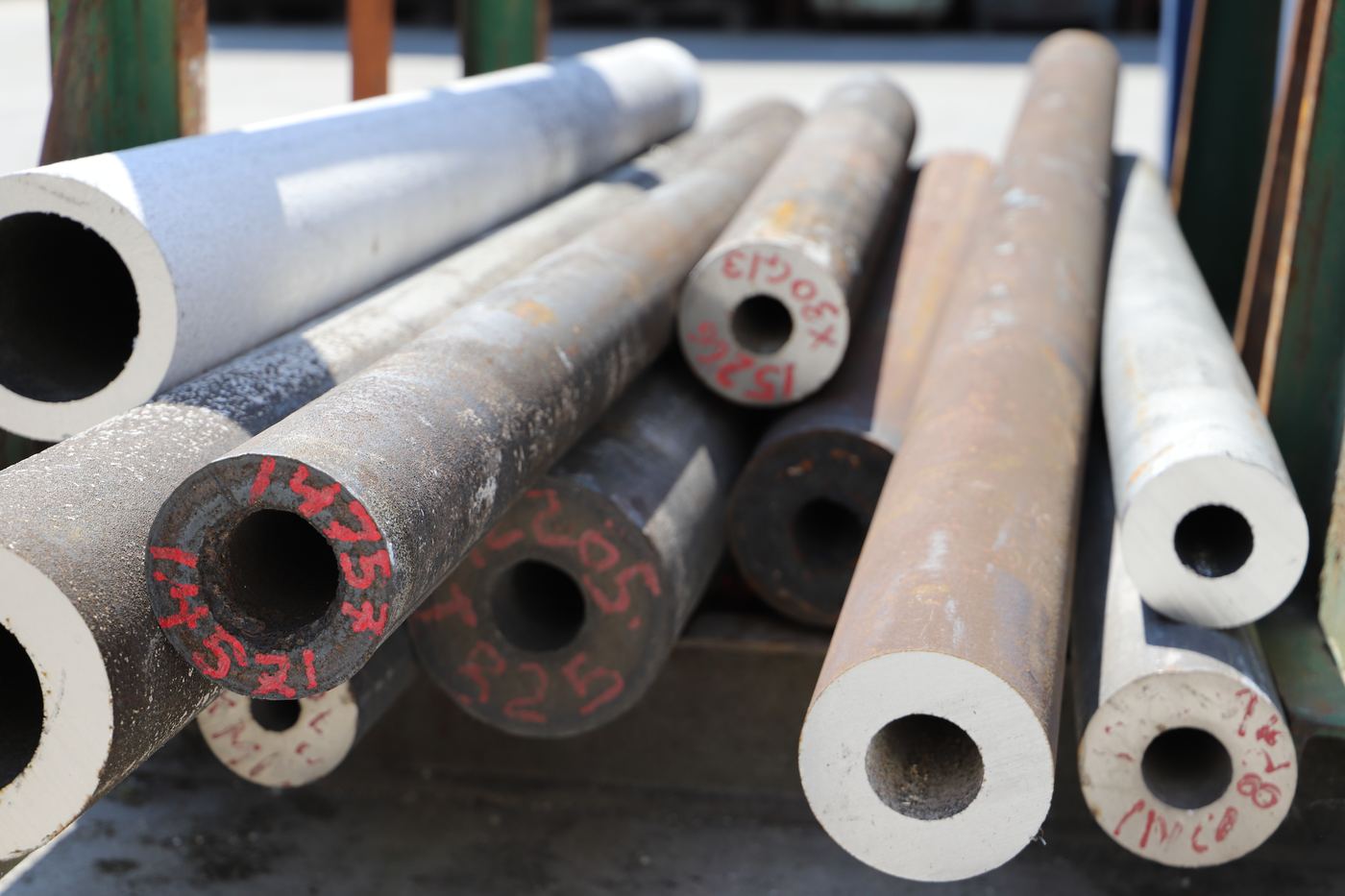
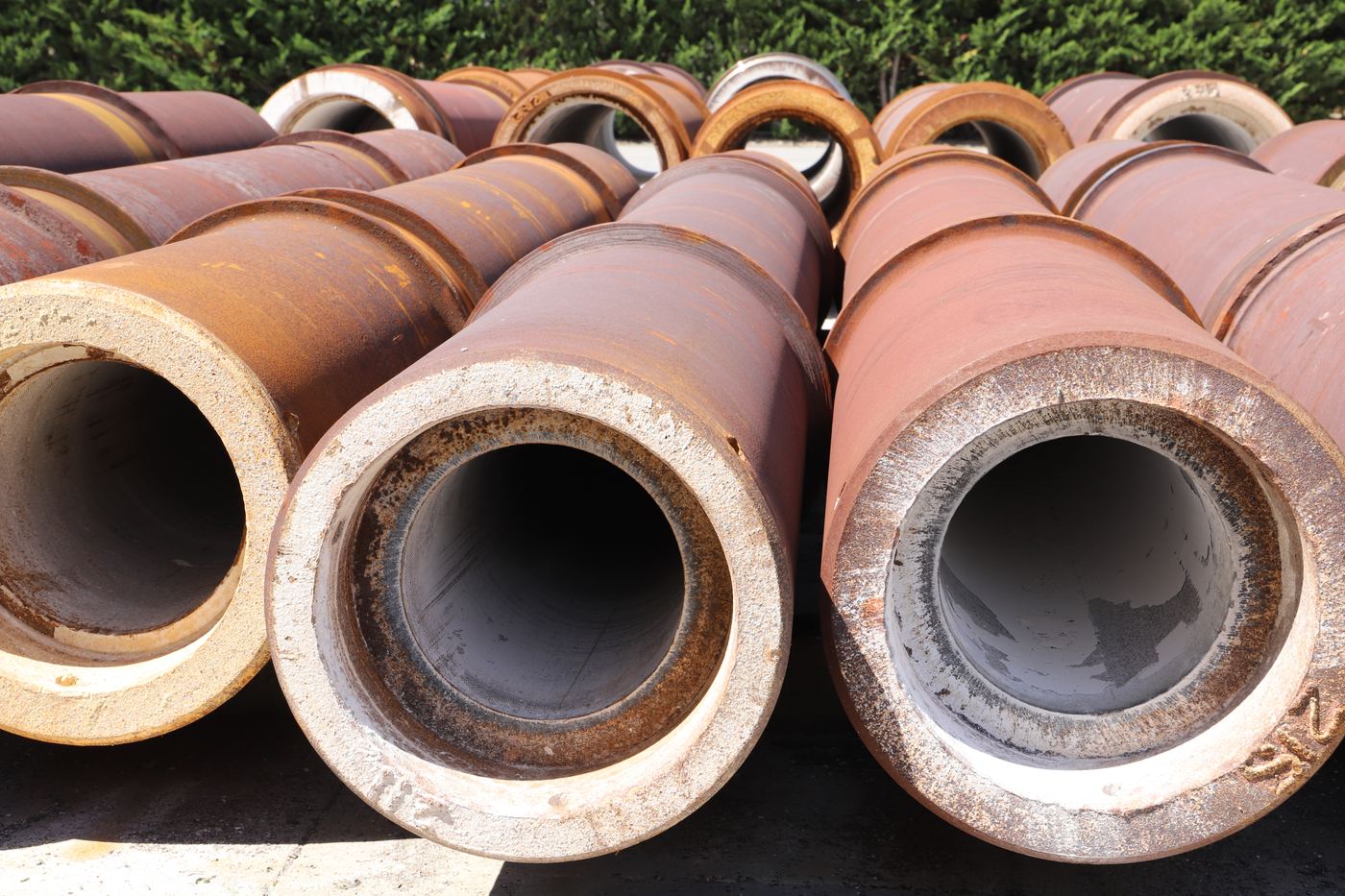
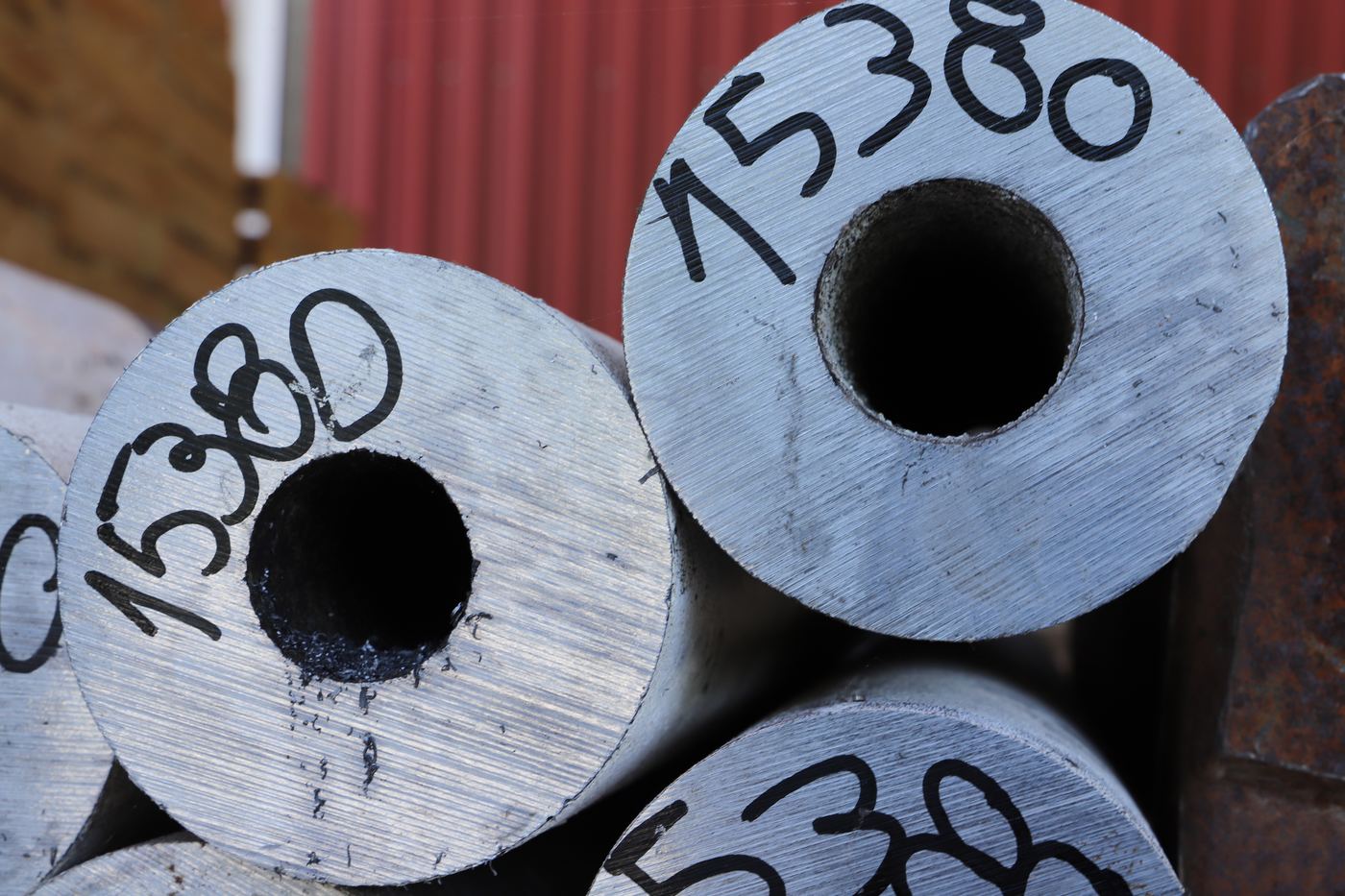
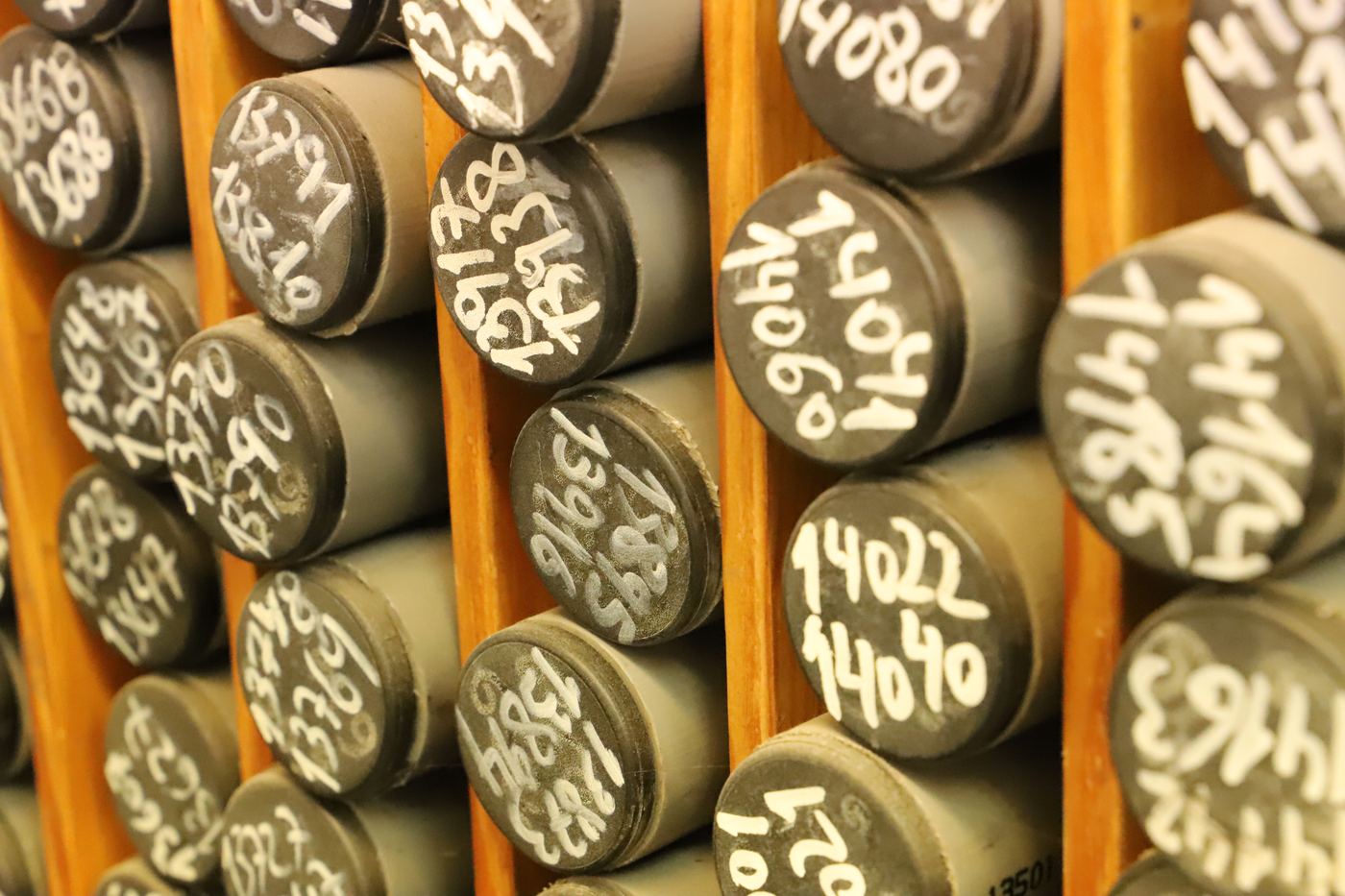
Our centrifugally cast tubes and derived components supply industries that demand maximum reliability.
Every heat is controlled down to the last detail: temperature, composition and cleanliness, before the metal takes shape.
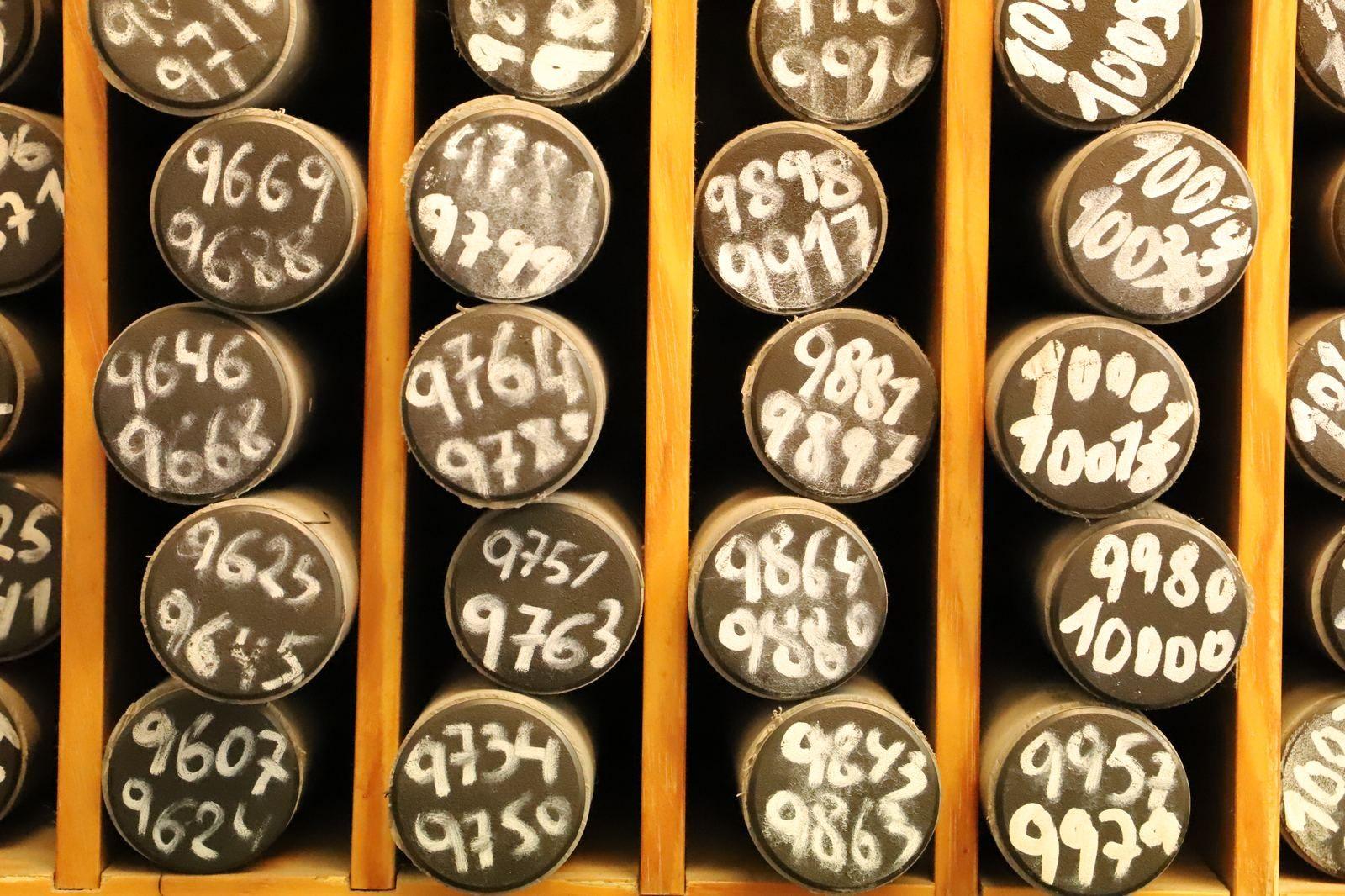
A representative selection from our quality-grade catalogue, grouped by metallurgical family. Composition per the applicable standard; full detail is set out in the 3.1 certificate for each heat.
Mould and die steel, machinable and with good toughness.
General-purpose carbon casting for valves and pump bodies at moderate temperature.
Low-alloy Cr-Mo for high-temperature petrochemical service.
Centrifugally cast equivalent of forged F-11, for flanges and hot process components.
Higher Cr-Mo content than F-11, for more demanding service temperatures.
High-strength Cr-Mo-V steel for very high temperatures, typical in power plants.
Basic 13% Cr martensitic grade, hardenable, good wear resistance.
Higher carbon than X12Cr13; harder after hardening, used in industrial cutlery and blades.
Low-carbon martensitic with Ni-Mo; excellent weldability and toughness, widely used in hydraulic turbine runners.
Precipitation hardenable; high mechanical strength while retaining good corrosion resistance.
Cast 13-4 type martensitic (GX4CrNi13-4), the European equivalent of CA6NM.
Centrifugally cast equivalent of forged F-6A (13% Cr, low Ni), for turbine parts and valves.
Simple chromium ferritic grade, non-hardenable, resistant to oxidation in mild environments.
Ti/Nb-stabilized ferritic grade; good corrosion resistance and weldability, used in exhausts and industrial automotive parts.
Cast equivalent of AISI 304. General use in valves and flanges with moderate corrosion.
Low-carbon version of CF8 (equivalent to 304L); better weldability and less sensitization.
Cast equivalent of AISI 316. Better resistance to chloride pitting than CF8.
Low-carbon version of CF8M (equivalent to 316L); the most weldable option in the family.
Centrifugally cast equivalent of AISI 316; general and moderate chemical corrosion resistance.
Titanium-stabilized 316 variant; prevents carbide precipitation during welding.
Centrifugally cast equivalent of 321 (titanium-stabilized 304), for elevated-temperature service.
Like F-321 but niobium-stabilized; good resistance to intergranular corrosion.
Alloy 20 type. High resistance to sulfuric acid and other highly corrosive media.
High-Mo super-austenitic (254 type), very resistant to pitting in aggressive chlorides.
Nitrogen-strengthened high-strength austenitic, without losing corrosion resistance.
ASTM designation of Nitronic 50: Mn-N austenitic, high mechanical strength and good low-temperature toughness.
Standard duplex, a good balance between mechanical strength and corrosion resistance.
High-alloy super-duplex, greater resistance to pitting and stress corrosion cracking.
2205 duplex, the most widely used industrially for chloride environments.
2507 super-duplex, high mechanical strength and pitting-corrosion resistance in seawater.
Centrifugally cast equivalent of forged 2205 duplex, for flanges and valve components.
Centrifugally cast equivalent of F-55 super-duplex, with tungsten for greater resistance in chlorides.
Resistant to oxidation up to elevated temperatures; furnace trays and supports.
Good high-temperature and carburization behaviour; heat-treatment furnace tubes.
High Ni content for greater resistance to carburization in reducing atmospheres.
High resistance to carburization in reducing atmospheres and very high temperatures.
Maximum resistance to carburization in very aggressive furnace atmospheres.
European equivalent of 28/48/5, for trays and fixtures in highly demanding furnaces.
Ferritic, the most ductile of the family; good toughness and machinability.
A midpoint between ductility and mechanical strength.
Higher mechanical strength than GGG50, pearlitic-ferritic.
Mostly pearlitic matrix; good wear resistance.
Austenitic nickel cast iron, good corrosion resistance and dimensional stability.
Copper-bearing variant, improved resistance to mild acids and seawater.
High-nickel austenitic cast iron, high thermal and dimensional stability.
Extreme resistance to combined oxidizing and reducing acids.
Excellent resistance to corrosion and heat; highly aggressive marine and chemical environments.
Precipitation-hardenable superalloy, very high mechanical strength at elevated temperature.
Good resistance to sulfuric and phosphoric acid, with stability against stress corrosion cracking.
Excellent resistance to seawater and hydrofluoric acid.
Like Monel 400 but precipitation hardenable: higher mechanical strength.
High-hardness hardfacing alloy, resistant to wear and hot corrosion.
Harder than Stellite 6, for high-wear seating and contact surfaces.
This is a representative excerpt. Our internal catalogue contains 139 distinct quality grades across steels and superalloys.
Download full catalogue (.xlsx) ↓We have our own machine shops for finishing the product according to each customer's needs.
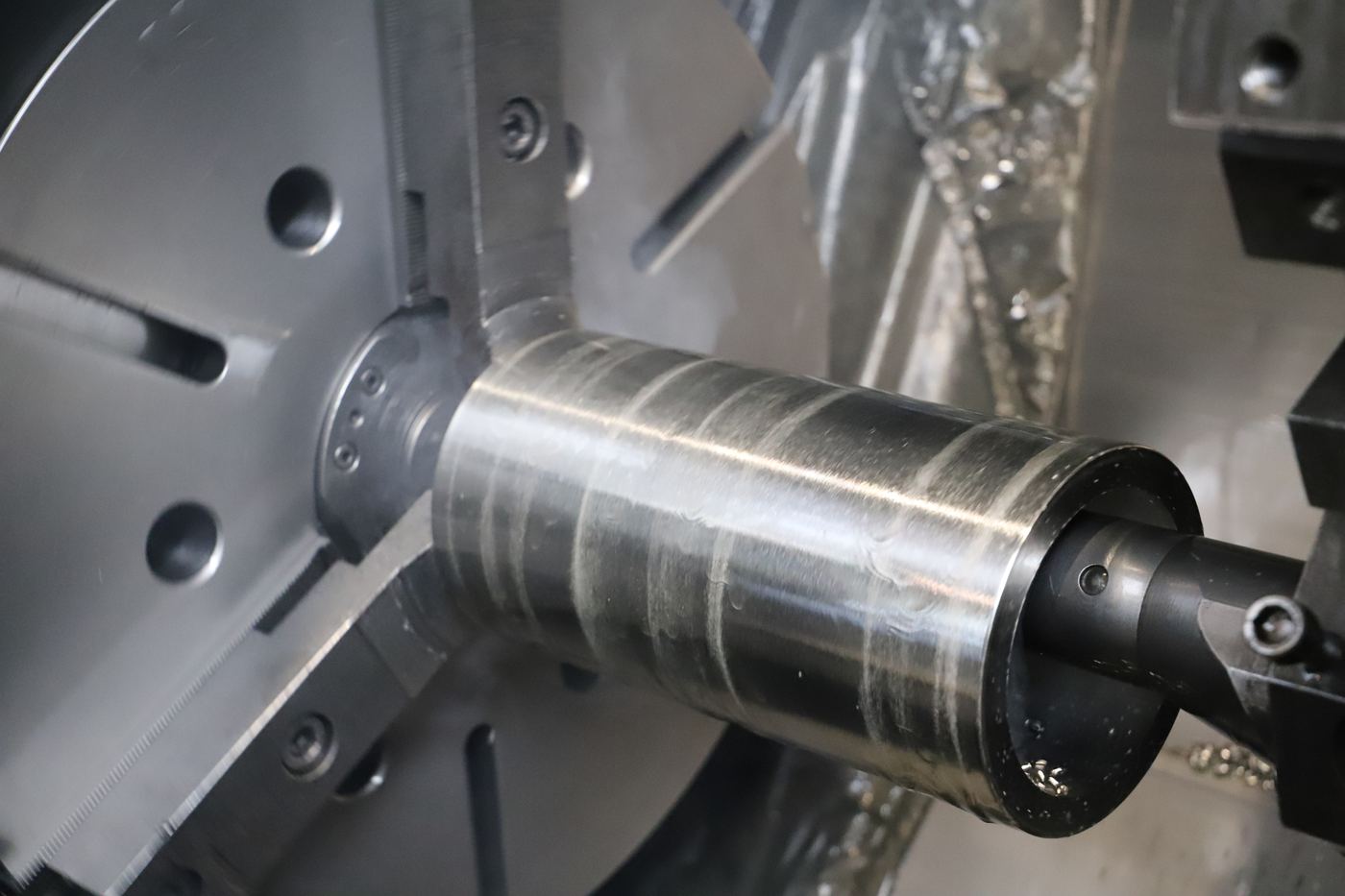
Cutting a tube with an industrial saw, with active coolant for a clean finish.
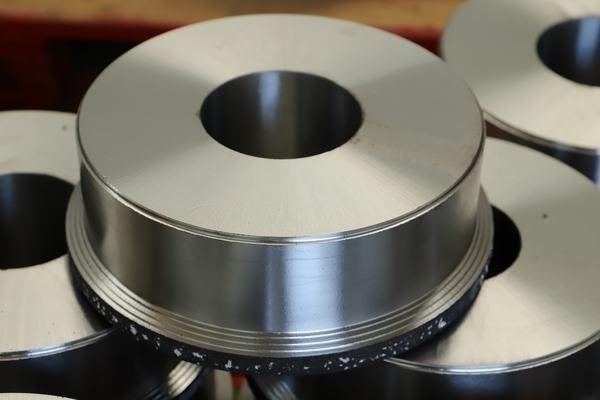
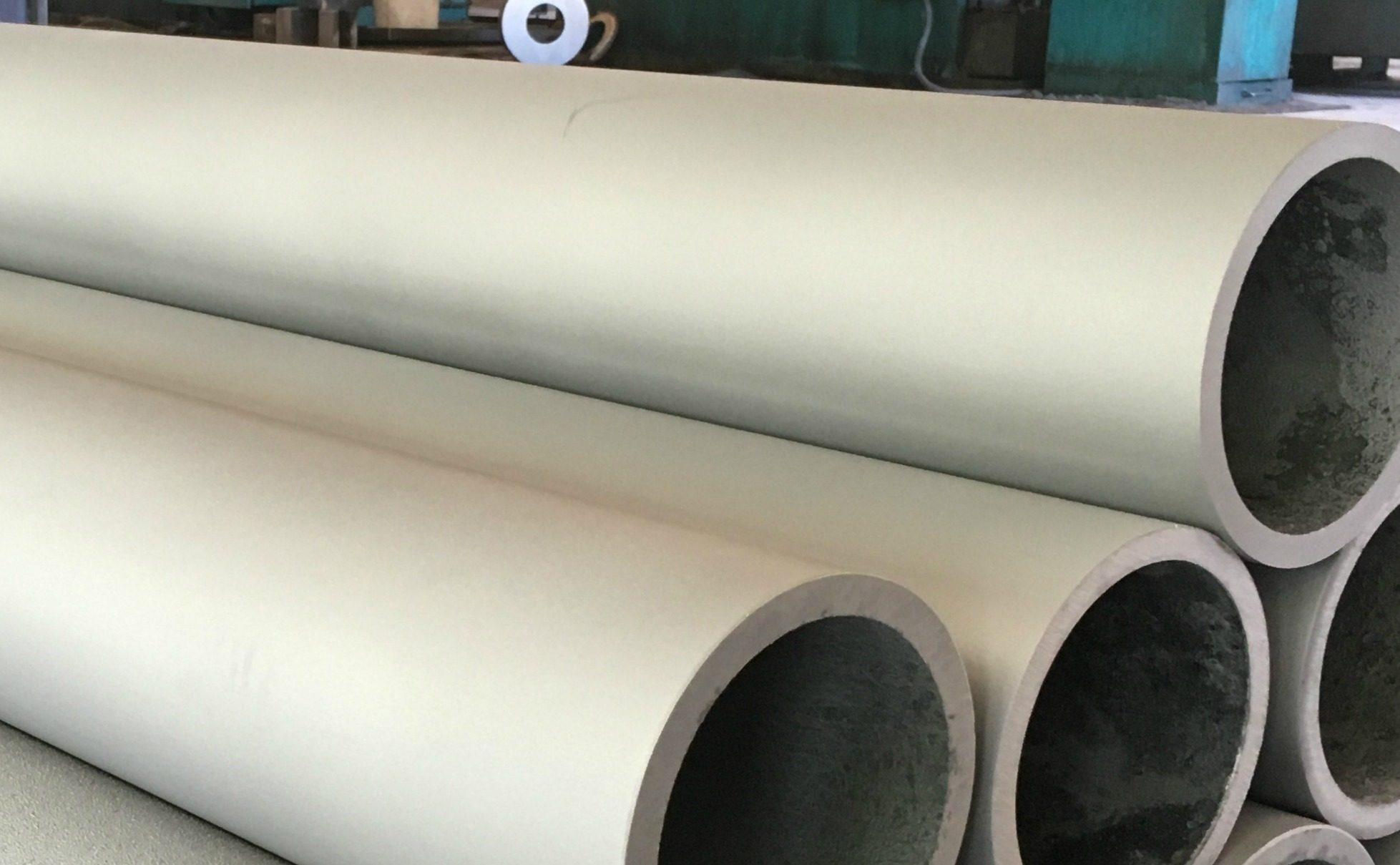
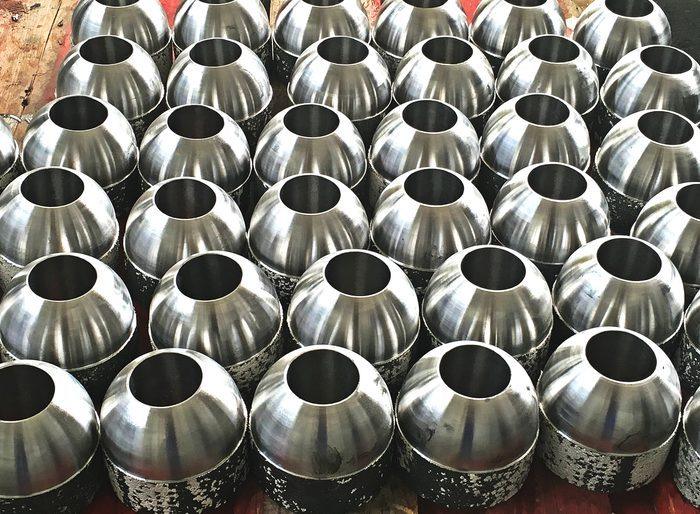
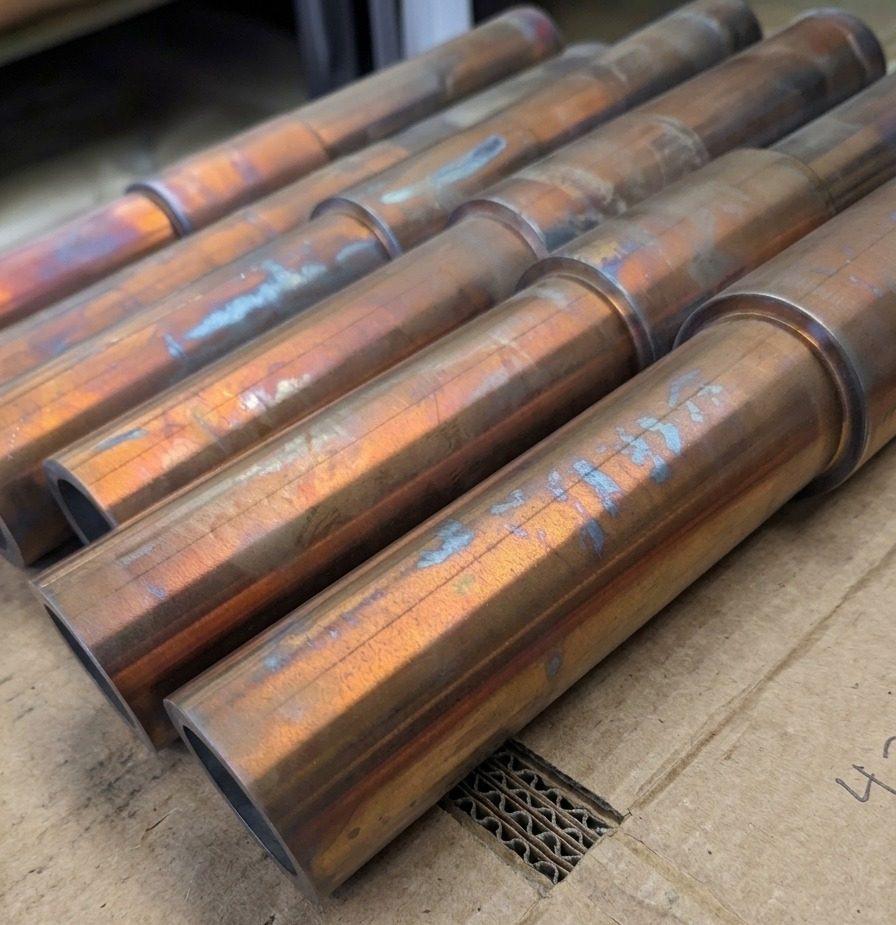
From raw casting to finished part: turning, milling and cutting with precision finishes.
Our management system and our social commitment are certified and available for review.
The INOX NAPARRA, S.A. Management understands that quality and environmental management and occupational hazard prevention in our activities are vital to the operation of our company.

Within the context of our organisation, considering this management policy (that establishes the framework of our strategic management), the needs and expectations of the interested parties (both internal and external) are established, taking into account the context within which we operate and with a streamlined focus on the risks and opportunities for our business.
For this it is necessary to take on the following basic principles: our foundry and machining processes should satisfy the requirements established by our external and internal interested parties (employees, clients, suppliers, administration, interest groups, etc.), as well as the legal and regulatory requirements applicable to our activities. For that reason, this is our company philosophy:
All decisions are geared towards constructing better each day, with quality, respect for the environment and guaranteed safety in the workplace.
Each company employee contributes from his/her work position to make our management targets become a reality. For this reason, it falls on each of us, from plant operators to management, to perform a meticulous job.
Recognising the effort that this entails, Management will provide all the knowledge, mediums and resources necessary to implement, maintain and improve its management system in accordance with the UNE standards EN ISO 9001, UNE-EN-ISO 14001 and ISO 45001, and will create an atmosphere of trust that makes it easy for all personnel to participate in the fulfilment of management and company targets.
And as a company committed to protecting the environment, we include a determination of the relevance of climate change as a factor in our context analysis, as this can clearly affect our customers' requirements. In this way, we can start to understand how adaptation to and mitigation of climate change can affect our operations.
Targets that are reviewed and aligned with our philosophy as a company and to the existing changes in the market and in the society in which we operate. Finally, this policy is reviewed by the company's Management so as to align it at all times with existing market changes.
General conditions applicable to all orders manufactured by Inox Naparra, S.A.
Prices are understood to be ex-works (EXW) our warehouse.
The goods subject to this order remain subject to the payment of any amounts owed at any time by the buyer to Inox Naparra S.A. Failure to pay by the buyer on any due date shall authorize Inox Naparra S.A. to withdraw and take possession of the products of its manufacture in the possession of the defaulting party, in the amount deemed necessary to cover the outstanding debt.
All taxes that may arise as a result of this transaction shall be for the account and charge of the buyer.
The goods shall always travel at the buyer's expense and risk, even if the shipment is made carriage paid.
The price of the products includes Inox Naparra S.A.'s standard packaging, structured as follows to guarantee the protection, stability, and integrity of the material during standard land transit: the parts are placed on a cardboard sheet set on Euro-pallets (80×120 cm), protected on top with cardboard to prevent direct friction damage, and secured by metal strapping. The final assembly is wrapped in high-resistance, printed virgin low-density polyethylene (LDPE) plastic film (gauge 600 quality).
The customer assumes full responsibility for the design of the parts, based on the intended industrial result, which only they know with precision. Consequently, the customer decides on the technical specifications sheet that establishes the requirements intended to define, in all aspects, the parts to be manufactured, as well as the nature and methods of the controls and tests required for their acceptance. The acceptance by the customer of foundry proposals relating to any improvement of the technical specifications sheet does not in any way constitute a transfer of liability, as the design remains exclusively the responsibility of the customer in all cases.
The foundry's warranty consists of replacing, within the shortest possible timeframe, the parts that do not conform to the contractual technical specifications sheet or to the sample parts expressly accepted by the customer. The warranty shall not apply under any circumstances to:
Tell us what you need cast and we'll help you find the right alloy and supply format.